|
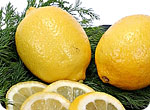
(NaturalNews) The antioxidant flavonoid compounds found in citrus fruits like
oranges and grapefruits offer protective benefits against blood clot-related strokes. These are the findings of a new study published in the American Heart Association (AHA) journal Stroke, and ones that could help many people who currently take heart drugs to get off them and instead integrate these and other nutritional approaches to improve heart health.
A team of researchers from Boston's Harvard Medical School, Brigham
and Women's Hospital, and Norwich Medical School in the U.K. evaluated 14 years worth of data from 70,000 female nurses that participated in a national study on women's health. They found that women whose diets included the most citrus fruits were 19 percent less likely to suffer a stroke than women whose diets included the least citrus fruits.
"Our study supports the conclusion that flavonones are associated with a
modest reduction in stroke risk," said Kathryn M. Rexrode, M.D., M.P.H., who helped head up the research. "This is very provocative research which suggests that including citrus fruits in your diet could lower stroke risk."
Also known as "vitamin P," flavonoids are present in various quantities and
combinations in all sorts of fruits, vegetables, and herbs. These plant-based antioxidants are known to dilate blood vessels and promote healthy circulation, as well as promote a disease-preventing anti-inflammatory effect within the body. Flavonoids are also linked to preventing the development and spread of cancer www.naturalnews.com/030582_flavonoids_cancer.html
A study published a few years ago in the journal Nutrition and Cancer, for
instance, found that people who consume the highest amounts of flavonoids and proanthocyanidins, a subgroup of flavonoids, were 44 percent less likely to develop oral cancer, 40 percent less likely to develop laryngeal cancer, and 30 percent less likely to develop colon cancer compared to others.
"The nutritional benefits of flavonoids include the increase of intracellular
vitamin C levels, a decrease in the leakiness and breakage of small blood vessels, the prevention of easy bruising, and immune system support," writes Gabriel Cousens in his book: There Is a Cure for Diabetes: The Tree of Life 21-Day+ Program.
And if you are looking for a higher and more concentrated dose of flavonoids
than what can typically be obtained just from eating fruits and vegetables, flavonoid supplements are another option. Quercetin, citrus bioflavonoids, mixed carotenoids, bilberry, and ginkgo biloba are a few types you may wish to investigate further.
Sources for this article include:
| ||||||||||




No comments:
Post a Comment